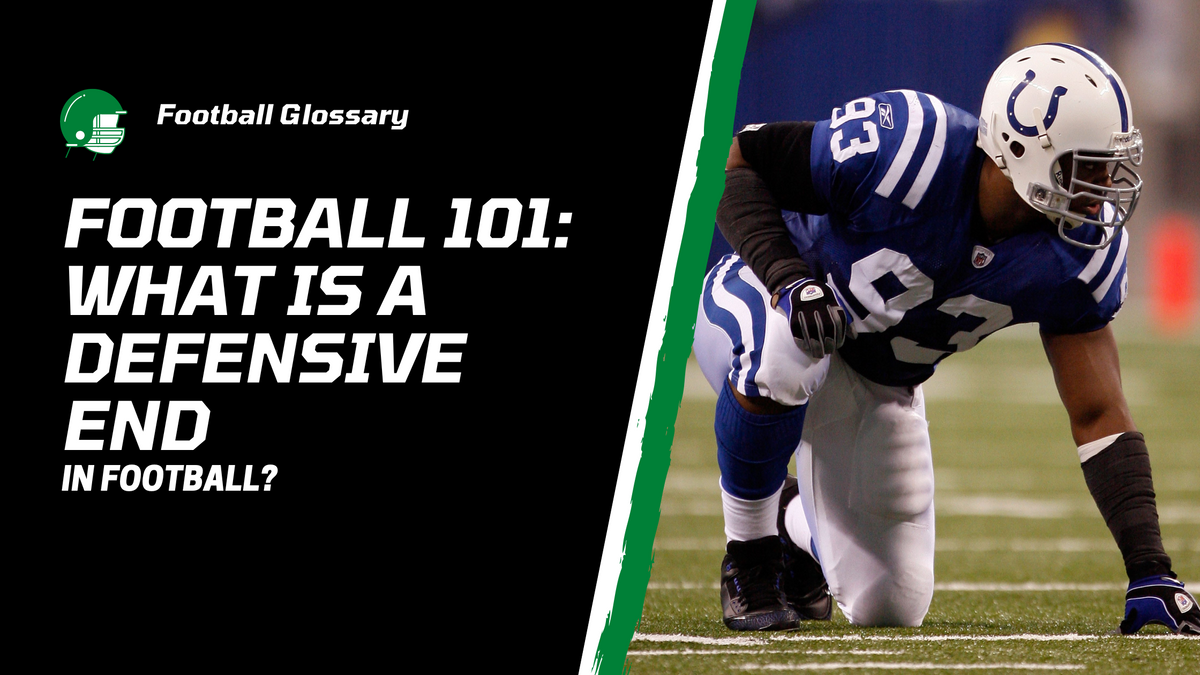
In the high-stakes world of American football, where every inch gained or lost can sway the outcome of a game, certain positions stand out for their profound impact. Among these, the defensive end (DE) is a relentless force, an athlete whose primary mission is to wreak havoc on the opponent's offensive strategy. Positioned on the outer edges of the defensive line, directly opposite the offensive tackles, defensive ends are the frontline disruptors, combining raw power, explosive speed, and tactical intelligence to dominate their adversaries.
From collapsing the pocket to containing elusive running backs, the role of a defensive end is multifaceted and critical. They are the eyes and ears of the defense at the point of attack, tasked with deciphering offensive intentions in a split second and reacting with unyielding force. Understanding the nuances of this position requires a deep dive into its core responsibilities, how these roles shift across different defensive schemes, and how the modern game has shaped its evolution.
The Core Responsibilities of a Defensive End
At its heart, the defensive end role is about disruption and control. These athletes are expected to be dual-threat players, excelling in both pass rush and run defense. Their alignment at the edge of the defensive line gives them a unique vantage point and specific duties that are paramount to a successful defensive strategy.
Mastering the Pass Rush
One of the most thrilling aspects of a defensive end's game is their ability to pressure or sack the quarterback. On passing downs, a DE's objective is clear: penetrate the offensive line, bypass or overpower the offensive tackle, and get to the quarterback. This involves a sophisticated arsenal of moves:
- Speed Rush: Utilizing blistering acceleration to get around the edge before the tackle can react.
- Bull Rush: Relying on sheer power to drive the offensive tackle directly backward into the quarterback's lap, collapsing the pocket.
- Swim Move: A quick, agile maneuver over the blocker's shoulder to slip past them.
- Rip Move: Driving into the blocker and then 'ripping' an arm underneath their block to gain leverage and burst through.
- Counter Moves: Anticipating a blocker's adjustment and countering with an opposite move, such as a spin or inside move, to create an open lane.
The goal isn't just to sack the quarterback; it's to force hurried throws, create turnovers, and disrupt the timing of offensive plays, turning potential big gains into incomplete passes or losses of yardage.
Fortifying the Run Defense
While the glory often goes to sacks, a defensive end's ability to stop the run is equally vital. Their position at the edge of the defensive line makes them the primary defenders against outside runs. Key responsibilities include:
- Setting the Edge: Maintaining outside leverage and preventing running backs from gaining yards around the tackles. This often means engaging a blocker, shedding them, and then making a tackle or forcing the runner back inside towards waiting linebackers and interior linemen.
- Containment: Ensuring the quarterback cannot escape the pocket on scrambles, limiting their ability to extend plays with their legs.
- Gap Control: In certain schemes, defensive ends are responsible for controlling one or more gaps between offensive linemen, preventing interior runs from breaking through.
This demands a blend of strength to shed blocks and disciplined technique to maintain their assigned lane, ensuring no easy yards are given up on the perimeter.
Defensive End Roles Across Schemes: 4-3 vs. 3-4
The specific duties and physical profiles of defensive ends can vary significantly based on the defensive scheme a team employs. The two most prevalent schemes are the 4-3 and the 3-4 defense, each placing distinct demands on their edge defenders.
The 4-3 Defensive End: The Archetypal Pass Rusher
In a 4-3 defense, which features four defensive linemen and three linebackers, defensive ends are typically built for speed and agility. They often weigh between 250-270 pounds and stand 6 feet 4 inches to 6 feet 6 inches tall. Their primary focus is to get upfield and rush the passer, leveraging their explosiveness to collapse the pocket and generate sacks. These players are often nicknamed "edge rushers" and are tasked with penetrating quickly to disrupt the quarterback. They need to be strong enough to hold up against the run, but their real value lies in their ability to consistently threaten the passer.
The 3-4 Defensive End: The Stout Run-Stopper
Conversely, the 3-4 defense, characterized by three defensive linemen and four linebackers, assigns a different role to its defensive ends. In this scheme, defensive ends are generally heavier and more robust, often weighing 280-300 pounds. Their main responsibility is to control blockers, occupy multiple gaps, and prevent offensive linemen from reaching the linebackers behind them. Pass-rush duties in a 3-4 system often shift more prominently to the outside linebackers, who are typically lighter and more agile than the interior defensive ends. The 3-4 DE acts more like an interior lineman, absorbing double teams and shedding blocks to shut down running lanes. To delve deeper into these distinctions, explore the differences between 4-3 vs. 3-4 Defensive Ends: Comparing Scheme Roles.
Hybrid Schemes and Adaptability
Modern NFL defenses increasingly employ hybrid schemes that blend elements of both 4-3 and 3-4 looks, often changing based on down, distance, and opponent. This evolution demands even greater versatility from defensive ends. Players must possess the strength to hold up against the run like a traditional 3-4 DE, but also the burst and technique to be an elite pass rusher like a 4-3 DE. This fluidity requires defensive ends to be highly intelligent, adaptable, and capable of executing diverse assignments.
The Evolution of the Defensive End
The defensive end position has undergone significant transformation, largely mirroring the NFL's growing emphasis on the passing game. As offensive schemes became more sophisticated and quarterbacks more elusive, the demands on edge defenders intensified.
Historically, defensive ends were often glorified run-stoppers, bigger bodies who primarily clogged lanes. However, with the rise of prolific passing attacks in the late 20th and early 21st centuries, the premium on pass-rushing ability skyrocketed. This led to a discernible shift in the physical profile of the average defensive end.
Through the early 2010s, there was a trend towards larger, more athletic defensive ends, with averages peaking around 283 pounds and 6 feet 4 inches as of 2013. The ideal player combined brute strength with surprising quickness. More recently, as of 2025, the average has settled closer to 270 pounds and 6 feet 4 inches, reflecting a continued effort to balance the need for effective run defense with the unrelenting demand for pass-rush production. The league-wide sack rates have remained remarkably stable at approximately 2.5 per game, underscoring the consistent pressure defenses apply.
This evolution highlights a constant arms race between offense and defense, where the defensive end must continually adapt to new blocking schemes, faster quarterbacks, and more complex passing routes. Their growth as athletes and technicians is a testament to the dynamic nature of the sport. For a deeper look into these shifts, check out Defensive End Evolution: Size, Speed, and Scheme Trends.
Key Traits and Techniques for Aspiring Defensive Ends
Becoming an effective defensive end requires a rare combination of physical gifts and honed skills. It's a position that demands both raw talent and relentless dedication to technique.
Essential Physical Attributes:
- Explosiveness and Burst: The ability to fire off the line of scrimmage instantly, gaining an advantage over the offensive tackle.
- Strength: To hold the point of attack against run blocks, shed blockers, and deliver powerful bull rushes.
- Speed and Agility: Necessary for chasing down quarterbacks, containing outside runs, and executing complex pass-rush moves.
- Hand-Eye Coordination & Hand Usage: Crucial for swatting away offensive linemen's hands, executing swim/rip moves, and batting down passes.
- Motor and Stamina: The relentless effort required to pursue plays across the field and maintain intensity throughout a game.
Critical Mental Acuity and Techniques:
- Play Recognition: Instinctively reading the offensive line's stance, the backfield alignment, and the quarterback's drop to determine if it's a run or pass.
- Stance and Get-Off: Starting in a proper three-point (or two-point in some schemes) stance to maximize explosiveness off the snap.
- Leverage: Understanding how to get low and under a blocker's pads to gain an advantage.
- Tackling Technique: Consistently wrapping up and driving through the ball carrier to minimize yards after contact.
- Film Study: Analyzing opponent tendencies, understanding offensive line weaknesses, and perfecting pass-rush plans.
The journey of a defensive end can also be one of immense personal challenge and triumph, as exemplified by players like Houston Texans DE Dylan Horton, who showcased incredible resilience and determination in overcoming a serious health battle. His return to the field underscores the profound love these athletes have for the game and the mental fortitude required to play such a physically demanding role.
Conclusion
The defensive end is more than just a position; it's a statement of intent on the football field. As the primary edge rusher and a critical component of run defense, these athletes embody the relentless pursuit of disruption. Their ability to dominate the line of scrimmage, whether through a thunderous sack or a crucial run stop, directly influences the flow and outcome of a game. From their physical prowess to their tactical intelligence, defensive ends are indispensable forces, continually evolving to meet the ever-changing demands of American football, cementing their status as one of the most impactful and exciting roles on the gridiron.