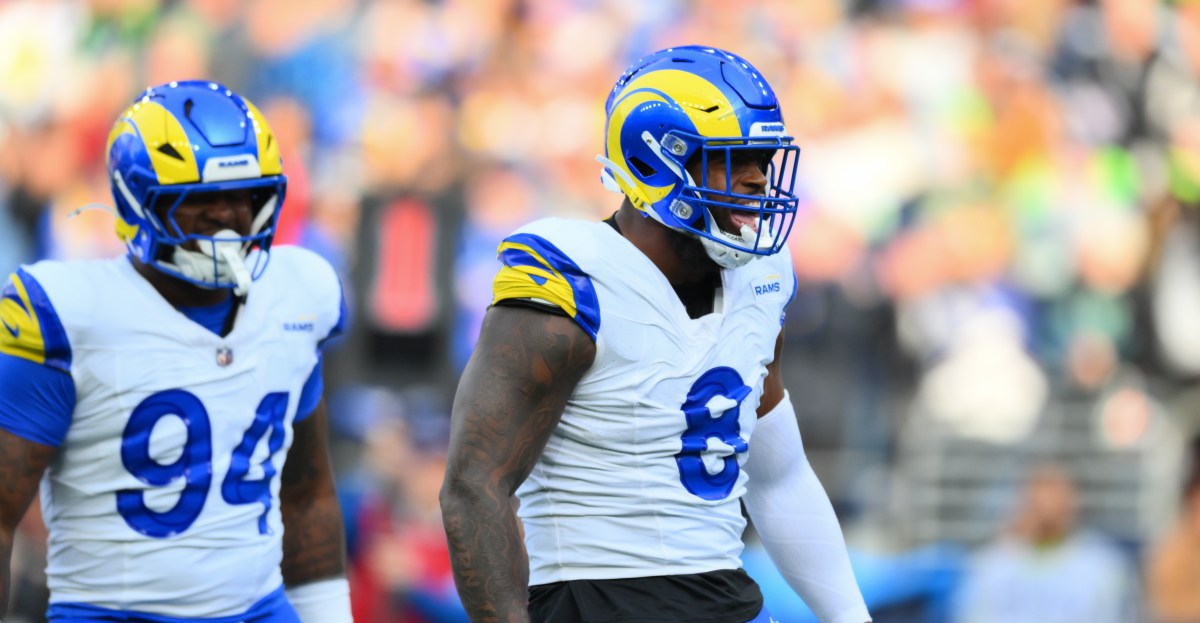
The Indispensable Role of the Defensive End in Modern Football
In the high-stakes world of American football, few positions command as much attention or require such a unique blend of athleticism as the Defensive End. Aligned on the outer edges of the defensive line, opposite the offensive tackles, these formidable athletes are the first line of defense, tasked with disrupting offensive schemes from their inception. Their core responsibilities are twofold yet incredibly complex: to collapse the pocket and pressure or sack the quarterback on passing downs, and to aggressively set the edge to contain potent running backs, preventing them from gaining crucial yards outside the tackles. This frontline role demands an explosive combination of speed, power, agility, and a relentless motor.
A successful Defensive End doesn't just react; they anticipate, shed blocks, and penetrate the offensive backfield with an almost surgical precision. The demanding nature of the position extends beyond physical prowess, requiring exceptional football IQ, a deep understanding of offensive schemes, and the mental fortitude to endure a grueling season. Players in this role often become the faces of their respective defenses, embodying the relentless pursuit of victory through sheer will and skill. For a deeper dive into their fundamental contributions, you can explore Defensive End Explained: Role, Schemes, and Evolution.
Scheme Dictates Design: 4-3 vs. 3-4 Defensive Ends
The role and physical profile of a Defensive End are heavily influenced by the defensive scheme a team employs. The two most prevalent formations, the 4-3 and the 3-4 defense, each demand a distinct skill set and body type from their edge rushers.
The Agile Hunters: 4-3 Defensive Ends
In a 4-3 defense, which features four defensive linemen and three linebackers, the Defensive Ends are typically built for speed and quickness. These players are often lighter and more agile, usually weighing between 250 and 270 pounds and standing 6 feet 4 inches to 6 feet 6 inches tall. Their primary objective is pass rushing: exploding off the line, using an array of hand techniques and bend around the edge to quickly get to the quarterback. They aim to collapse the pocket, force hurried throws, and generate game-changing sacks. Think of them as the hunters, always seeking to disrupt the passer and disrupt the rhythm of the offense. Their ability to turn the corner with speed and leverage is paramount, making them crucial for creating consistent pressure.
The Anchors: 3-4 Defensive Ends
Conversely, the 3-4 defense, characterized by three defensive linemen and four linebackers, positions its Defensive Ends in a significantly different light. Here, the DEs are heavier, stronger players, often in the 280-300 pound range. Their role is less about pure pass rushing and more about controlling the line of scrimmage against the run. These players are tasked with occupying multiple blockers in various gaps, preventing the offensive line from reaching the linebackers, who are often the designated pass rushers in this scheme. While they still contribute to pass pressure, their grunt work involves setting a formidable wall against inside runs and holding their ground against double teams. They are the immovable objects, creating space and opportunities for the blitzing outside linebackers to get to the quarterback. The contrast between these roles is stark and essential to understanding defensive philosophy. For a detailed comparison, check out vs. 3-4 Defensive Ends: Comparing Scheme Roles.
The Shifting Sands of Size and Speed
The evolution of the Defensive End position is a direct reflection of the NFL's ever-changing landscape, particularly its increasing emphasis on the passing game. For decades, the ideal DE was a powerful, often larger individual, capable of anchoring against the run. However, as offenses became more sophisticated and pass-heavy, the demand for explosive pass rushers grew exponentially.
Through the early 2010s, this shift saw a noticeable increase in the average size and athleticism of Defensive Ends. By 2013, NFL defensive ends averaged around 283 pounds and 6 feet 4 inches. This trend was driven by the desire for players who could not only generate pressure but also hold up against the run while maintaining the necessary strength to battle larger offensive linemen. The era called for a blend of raw power to shed blocks and burst to get to the quarterback.
However, recent trends (peaking around 2025 data points) indicate a slight recalibration. The average weight for a Defensive End has settled closer to 270 pounds, while height remains around 6 feet 4 inches. This adjustment signifies a continuous search for the optimal balance between run defense and pass-rush production. Modern offenses often employ spread formations, RPOs (Run-Pass Options), and quick passes, which necessitate DEs who can react quickly, maintain gap integrity, and close on ball carriers in open space, while still possessing the strength to collapse the pocket effectively. The league's stable sack rates of approximately 2.5 per game demonstrate that while the prototype changes, the effectiveness of edge pressure remains consistent, adapted by evolving player profiles.
Beyond Raw Measurables: Technique and Versatility
While size and speed provide the raw ingredients, the truly elite Defensive End combines these attributes with unparalleled technique and versatility. Raw athleticism can get you to the NFL, but refinement is what makes a player legendary. Mastering hand usage – rip, club, swim, chop moves – is crucial for shedding blocks and maintaining separation from offensive linemen. Leverage, the ability to get under a blocker's pads and drive them backward, is another non-negotiable skill.
Furthermore, modern schemes often demand more than just rushing the passer or stopping the run. Many Defensive Ends are now expected to occasionally drop into zone coverage, particularly against play-action or screen passes. Their ability to read and react, pursue ball carriers sideline-to-sideline, and even rush from different alignments (e.g., standing up or shifting inside) adds invaluable versatility. This multifaceted approach requires not just physical conditioning but also a high football IQ and adaptability, making the position one of the most intellectually demanding on the field.
The Future of the Defensive End: Hybrid Roles and Athleticism
Looking ahead, the evolution of the Defensive End position shows no signs of slowing down. As offensive innovations continue to push the boundaries of scheme and personnel, defensive coordinators will continue to seek out players who can counteract these threats. The future likely belongs to even more versatile athletes capable of seamlessly transitioning between roles that traditionally belonged to either 4-3 or 3-4 prototypes.
We can expect a continued emphasis on "positionless" defenders – players who might be listed as a Defensive End but possess the agility of a linebacker and the strength of a defensive tackle. These hybrid players will be able to rush from various spots, drop into coverage, and defend the run with equal proficiency. The ability to dictate offensive protection schemes by presenting multiple threats will be a premium. Teams will continue to prioritize athletes with elite explosiveness, bend, and twitch, who can maintain their effectiveness through four quarters and an entire season. The relentless pursuit of the perfect blend of size, speed, and scheme adaptability will ensure the Defensive End remains one of football's most dynamic and critical positions.
The journey of the Defensive End from a brute force lineman to a refined, versatile athlete mirrors the broader evolution of football itself. From the foundational role of disrupting offenses to adapting to the nuances of 4-3 and 3-4 schemes, the position has continuously reshaped its ideal physique and skill set. The trend points towards increasingly intelligent, agile, and powerful players who can operate effectively in any defensive system, underscoring their enduring importance in the modern game.